
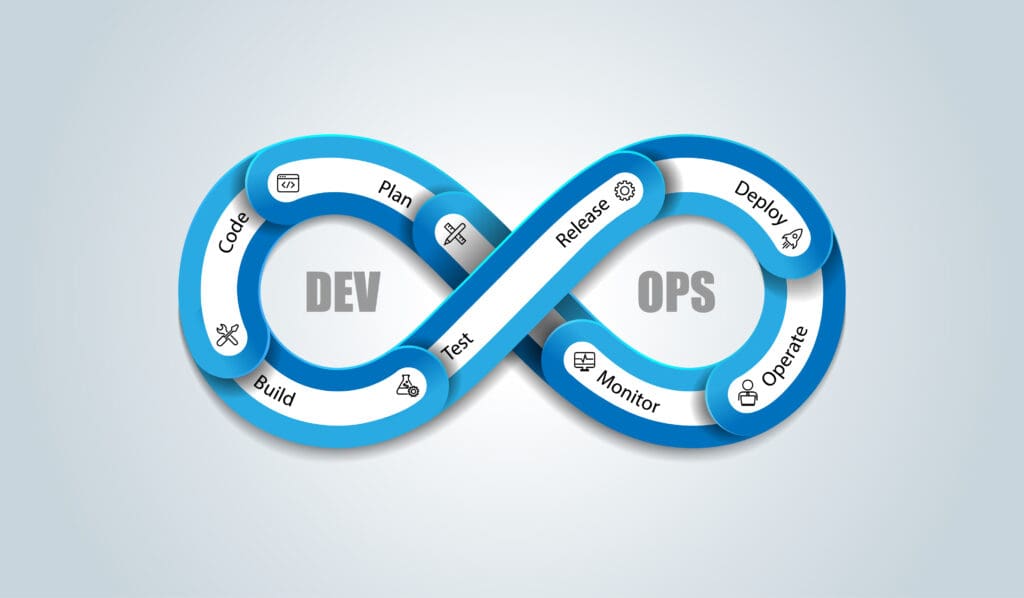
In an age where businesses are racing toward digital transformation, DevOps has emerged as one of the most in-demand skillsets in the IT world. It’s not just a buzzword—it’s a practical approach that integrates software development with IT operations to deliver applications faster and more reliably. As a result, companies are hiring DevOps professionals aggressively to build scalable, secure, and automated infrastructure.
But one of the most common questions aspiring engineers ask is:
“How long does it take to become job-ready in DevOps?”
The answer is not one-size-fits-all. It depends on your current background, learning pace, dedication, and career goals. However, most learners can become job-ready in DevOps within 4 to 8 months with structured training, practice, and project work.
Below are 8 key factors that determine how long it takes to become a job-ready DevOps professional and what to focus on in each stage.
1. Your Starting Point (Technical Background)
The time it takes to become DevOps-ready largely depends on your current knowledge level.
If you’re from an IT or software development background, you may already be familiar with tools like Git, Linux, or cloud platforms. You can fast-track your DevOps learning and potentially become job-ready in 4–6 months.
If you’re from a non-technical background, you may need extra time to understand core concepts like scripting, networking, and system administration. In that case, 6–9 months is more realistic.
Understanding the basics before diving into DevOps tools ensures a strong foundation and smoother progress.
2. Time Commitment per Day
Your daily dedication plays a massive role in how fast you become job-ready.
2 hours/day (part-time learners): Around 7–8 months to become job-ready with consistent learning and practice.
4–5 hours/day: You can accelerate the process and finish in 4–5 months.
Full-time commitment (8–10 hours/day): Possible to become job-ready in 2–3 months, especially with intensive bootcamp-style training.
Remember: It’s not just about hours spent but about how effectively you apply and practice what you learn.
3. Learning Path and Curriculum Structure
A well-organized curriculum can significantly reduce your learning time. A complete DevOps roadmap usually covers:
Linux fundamentals and shell scripting
Git & version control
Jenkins or GitHub Actions for CI/CD
Docker & containerization
Kubernetes orchestration
Infrastructure as Code (Terraform/Ansible)
Monitoring (Prometheus/Grafana)
Cloud platforms (AWS/Azure/GCP)
A structured training program that includes theory, practicals, real projects, and assessments can make you job-ready faster than self-learning without a roadmap.
4. Hands-On Practice & Real Projects
DevOps is a skill-based discipline—employers expect hands-on experience.
Doing live projects like:
Setting up a CI/CD pipeline with Jenkins
Deploying a containerized app using Docker and Kubernetes
Creating infrastructure on AWS using Terraform
Monitoring applications with Prometheus
…will boost your confidence and mirror real-world job scenarios.
Spending quality time building projects can reduce the learning curve and make your resume stand out.
5. Certifications and Training Programs
Certifications can accelerate your job-readiness by validating your knowledge.
Popular DevOps certifications include:
AWS Certified DevOps Engineer
Certified Kubernetes Administrator (CKA)
Docker Certified Associate
Microsoft Azure DevOps Engineer Expert
A focused training course with certification prep can cut down learning time by giving you practical exposure, mentorship, and a clear roadmap.
On average, a 3–6 month structured DevOps certification program can prepare you well for job roles like DevOps Engineer, Cloud Engineer, or Site Reliability Engineer.
6. Problem-Solving and Debugging Skills
DevOps engineers must think like problem-solvers.
Spending time learning:
How to troubleshoot servers
Debug CI/CD failures
Resolve container conflicts
Analyze logs and system alerts
…adds real-world value. If you consistently practice these tasks during your learning phase, you’ll become interview-ready sooner.
Platforms like LeetCode (for scripting challenges), GitHub (for open-source contribution), and AWS Free Tier (for cloud practice) can help speed up your progress.
7. Interview Preparation and Resume Building
Becoming job-ready isn’t just about learning tools—it’s also about presenting your skills effectively.
DevOps interviews typically test:
Your understanding of pipelines and automation
Your knowledge of tools like Git, Jenkins, Docker, and Kubernetes
Scripting in Bash or Python
Real-world deployment or monitoring scenarios
Spending 2–4 weeks on:
Mock interviews
System design discussions
Resume & LinkedIn optimization
Preparing a DevOps portfolio (e.g., GitHub repositories with documented projects)
…can be the difference between knowing DevOps and getting hired for DevOps.
8. Community Support and Mentorship
Learning DevOps alone can be overwhelming due to the vast number of tools and practices. Being part of a community or mentorship program can save time and frustration.
Mentors help clarify doubts quickly
Communities provide peer learning and job leads
Code reviews and feedback help improve faster
Joining platforms like Discord DevOps groups, Reddit communities, or bootcamps with support forums can accelerate your job readiness significantly.
Conclusion
So, how long does it take to become job-ready in DevOps?
On average:
4–6 months with consistent part-time effort and structured learning
2–3 months with full-time dedication and hands-on projects
6–9 months if you’re starting from a non-technical background
The key to success is a balanced mix of theory, tools, practical application, and soft skills. DevOps is not just about tools—it’s about problem-solving, automation, collaboration, and delivering high-quality software reliably.
With the right guidance, roadmap, and real-world practice, you can confidently step into a DevOps role that offers high salaries, job security, and excellent career growth.