
Professional Certificate in UI UX Design Training
Professionals aiming to transition into or advance in UI/UX Design will gain detailed in-depth knowledge through this advanced certification. Starting with design fundamentals and progressing to user research, wireframing, prototyping, visual design principles, tools like Figma and Adobe XD, usability testing, accessibility standards, and responsive design strategies, you’ll finish industry-ready with practical skills, real-world project experience, and a compelling portfolio.
Professional Certificate in UI UX Design Training
Professionals aiming to transition into or advance in UI/UX Design will gain detailed in-depth knowledge through this advanced certification. Starting with design fundamentals and progressing to user research, wireframing, prototyping, visual design principles, tools like Figma and Adobe XD, usability testing, accessibility standards, and responsive design strategies, you’ll finish industry-ready with practical skills, real-world project experience, and a compelling portfolio
Get Industry-Ready with Comprehensive Career Support

Soft Skills
Master effective body language, communication, and presentation techniques essential for becoming a professional

Mock Interviews
Prepare for every interview stage by practicing with multiple rounds of realistic mock interviews

Portfolio Building
Craft an impressive marketing portfolio to showcase your work to potential employers and clients

Resume Building
Build a strong digital marketing CV that highlights your qualifications, experience, and skills to secure the job you want

Interview
Our recruitment experts will help you optimize your job profile to boost your chances of getting more interviews

Soft Skills
Master effective body language, communication, and presentation techniques essential for becoming a professional

Mock Interviews
Prepare for every interview stage by practicing with multiple rounds of realistic mock interviews

Portfolio Building
Craft an impressive marketing portfolio to showcase your work to potential employers and clients

Resume Building
Build a strong digital marketing CV that highlights your qualifications, experience, and skills to secure the job you want

Interview
Our recruitment experts will help you optimize your job profile to boost your chances of getting more interviews
UI UX Design Training Curriculum
Introduction to UI/UX Design
What is UI/UX and why it matters
Evolution of UX/UI in product design
UI vs UX: Key differences
Common myths in design
Overview of the design process
Design team roles and collaboration
Real-world applications of UI/UX
Day-to-day life of a designer
Career paths in UI/UX
Design Thinking & Problem Solving
What is Design Thinking
The 5-stage Design Thinking process
Double Diamond model explained
Understanding design challenges
Defining user problems
Ideation techniques
Prototype-first mindset
Real-world case studies
Measuring design impact
Presenting solutions effectively
Visual Design Principles
Gestalt theory in design
Use of white space
Balance and hierarchy
Emphasis and contrast
Typography basics
Color psychology
Visual consistency
Aligning design with content
Composition for digital interfaces
11 principles of design
Introduction to Figma
Overview of the Figma interface
Working with frames and shapes
Using vector tools and paths
Managing layers and groups
Importing images (raster/vector)
Boolean operations
Shortcuts and productivity tips
Saving, sharing, and collaboration
Real-world practice exercises
Advanced Figma Skills
Understanding Auto Layout
Creating responsive designs
Components and variants
Building design systems
Using Figma libraries
Mastering plugins
Graphic Design with Figma
Designing engaging thumbnails
Creating marketing posters
Cover page design
Blending images and text
Using mockups effectively
Color and font combinations
Applying visual branding
Exporting final assets
User Research Fundamentals
What is user research
User interview methods
UX surveys and questionnaires
Field studies and direct observation
Stakeholder interviews
Conducting secondary research
Recording and analyzing data
Common research pitfalls
Using research tools
Writing a UX research report
Empathy & Persona Building
Understanding empathy in design
Creating empathy maps
Interview synthesis
Developing user personas
Behavioral segmentation
Identifying user goals and pain points
Storyboarding experiences
Building scenario maps
Using personas in design
Ideation Techniques
Introduction to ideation
Brainstorming methods
Mind mapping tools
Crazy 8s and sketching
SCAMPER method for innovation
Affinity mapping
Collaborative ideation sessions
Prioritizing ideas
Evaluating ideas with criteria
Turning ideas into concepts
Wireframing Essentials
What is wireframing
Low vs. mid vs. high fidelity
Sketching wireframes on paper
Wireframing in Figma
Best practices for layout
Interactive prototypes
Smart animate and transitions
Prototyping & Usability Testing
What is prototyping
Creating interactive prototypes
Defining user flows
Linking frames with actions
Adding transitions and animations
Setting up usability tests
Creating test tasks and goals
Collecting user feedback
Analyzing test results
Iterating based on feedback
UI Design Deep Dive
Using UI kits and templates
Wireframes for web and mobile
Including content hierarchy
User flow integration
Feedback and iteration
Material Design vs. Human Interface
Microinteractions in UI
Atomic Design Principles
Introduction to design patterns
UI elements (buttons, cards, forms)
Consistent spacing and alignment
Responsive UI design
Layout grid systems
Mobile-first design approach
Style guides and design tokens
Accessibility & Inclusive Design
What is accessibility in design
Types of accessibility challenges
Inclusive design principles
Introduction to WCAG guidelines
Color contrast and text readability
Designing for screen readers
Keyboard navigation
Testing accessibility
Building accessibility checklists
Tools to audit accessibility
UX for Developers & Handoff
Basics of HTML
Basics of CSS
Basics of JavaScript
Understanding development workflow
Front-end frameworks overview
Creating developer-friendly assets
Tools for handoff (Zeplin, Figma Inspect)
Communicating with dev teams
Generative AI for UX
AI in UX research (e.g., user feedback analysis)
Predictive user behavior modeling
Automating surveys and forms
Using ChatGPT for UX copywriting
AI for accessibility enhancements
Ethical issues in AI-based design
Personalization with AI
Collaborating with AI tools
UX Case Study Creation
What makes a strong case study
Selecting a real-world problem
Structuring your case study
Research, ideation, and execution
Wireframes and prototypes
Key insights and iterations
Visual storytelling techniques
Peer and mentor review
Portfolio Design & Branding
Types of portfolios (Behance, Dribbble, etc.)
Structuring your portfolio website
Writing project summaries
Showcasing visual work effectively
Building your “About Me” section
Creating a strong homepage
Live portfolio review session
Interview Preparation
Types of design interviews
Whiteboard & live challenges
Mock interviews & feedback
Presentation skills for designers
Common interview questions
Walkthrough of a design process
Presenting the final project
Introduction to UI/UX Design
What is UI/UX and why it matters
Evolution of UX/UI in product design
UI vs UX: Key differences
Common myths in design
Overview of the design process
Design team roles and collaboration
Real-world applications of UI/UX
Day-to-day life of a designer
Career paths in UI/UX
Design Thinking & Problem Solving
What is Design Thinking
The 5-stage Design Thinking process
Double Diamond model explained
Understanding design challenges
Defining user problems
Ideation techniques
Prototype-first mindset
Real-world case studies
Measuring design impact
Presenting solutions effectively
Visual Design Principles
Gestalt theory in design
Use of white space
Balance and hierarchy
Emphasis and contrast
Typography basics
Color psychology
Visual consistency
Aligning design with content
Composition for digital interfaces
11 principles of design
Introduction to Figma
Overview of the Figma interface
Working with frames and shapes
Using vector tools and paths
Managing layers and groups
Importing images (raster/vector)
Boolean operations
Shortcuts and productivity tips
Saving, sharing, and collaboration
Real-world practice exercises
Advanced Figma Skills
Understanding Auto Layout
Creating responsive designs
Components and variants
Building design systems
Using Figma libraries
Mastering plugins
Graphic Design with Figma
Designing engaging thumbnails
Creating marketing posters
Cover page design
Blending images and text
Using mockups effectively
Color and font combinations
Applying visual branding
Exporting final assets
User Research Fundamentals
What is user research
User interview methods
UX surveys and questionnaires
Field studies and direct observation
Stakeholder interviews
Conducting secondary research
Recording and analyzing data
Common research pitfalls
Using research tools
Writing a UX research report
Empathy & Persona Building
Understanding empathy in design
Creating empathy maps
Interview synthesis
Developing user personas
Behavioral segmentation
Identifying user goals and pain points
Storyboarding experiences
Building scenario maps
Using personas in design
Ideation Techniques
Introduction to ideation
Brainstorming methods
Mind mapping tools
Crazy 8s and sketching
SCAMPER method for innovation
Affinity mapping
Collaborative ideation sessions
Prioritizing ideas
Evaluating ideas with criteria
Turning ideas into concepts
Wireframing Essentials
What is wireframing
Low vs. mid vs. high fidelity
Sketching wireframes on paper
Wireframing in Figma
Best practices for layout
Interactive prototypes
Smart animate and transitions
Prototyping & Usability Testing
What is prototyping
Creating interactive prototypes
Defining user flows
Linking frames with actions
Adding transitions and animations
Setting up usability tests
Creating test tasks and goals
Collecting user feedback
Analyzing test results
Iterating based on feedback
UI Design Deep Dive
Using UI kits and templates
Wireframes for web and mobile
Including content hierarchy
User flow integration
Feedback and iteration
Material Design vs. Human Interface
Microinteractions in UI
Atomic Design Principles
Introduction to design patterns
UI elements (buttons, cards, forms)
Consistent spacing and alignment
Responsive UI design
Layout grid systems
Mobile-first design approach
Style guides and design tokens
Accessibility & Inclusive Design
What is accessibility in design
Types of accessibility challenges
Inclusive design principles
Introduction to WCAG guidelines
Color contrast and text readability
Designing for screen readers
Keyboard navigation
Testing accessibility
Building accessibility checklists
Tools to audit accessibility
UX for Developers & Handoff
Basics of HTML
Basics of CSS
Basics of JavaScript
Understanding development workflow
Front-end frameworks overview
Creating developer-friendly assets
Tools for handoff (Zeplin, Figma Inspect)
Communicating with dev teams
Lead Generation Strategies
AI in UX research (e.g., user feedback analysis)
Predictive user behavior modeling
Automating surveys and forms
Using ChatGPT for UX copywriting
AI for accessibility enhancements
Ethical issues in AI-based design
Personalization with AI
Collaborating with AI tools
Generative AI for UX
Introduction to Canva Interface
Creating Engaging Social Media Graphics
Using Templates for Speed & Branding
Designing Reels, Stories, Posters & Infographics
Brand Kit: Fonts, Colors & Logos
Animations and Video Editing Basics
Collaboration and Sharing Features
Exporting for Instagram, Facebook, LinkedIn & Web
UX Case Study Creation
What makes a strong case study
Selecting a real-world problem
Structuring your case study
Research, ideation, and execution
Wireframes and prototypes
Key insights and iterations
Visual storytelling techniques
Peer and mentor review
Portfolio Design & Branding
Types of portfolios (Behance, Dribbble, etc.)
Structuring your portfolio website
Writing project summaries
Showcasing visual work effectively
Building your “About Me” section
Creating a strong homepage
Live portfolio review session
Interview Preparation
Types of design interviews
Whiteboard & live challenges
Mock interviews & feedback
Presentation skills for designers
Common interview questions
Walkthrough of a design process
Presenting the final project
Program Outcomes
Upskill Your Knowledge To Change Your Career Trajectory
Program Outcomes
Upskill Your Knowledge To Change Your Career Trajectory
Gain official proof of your expertise from a trusted institution, increasing your value in the eyes of employers and clients.
Stand out in competitive job markets and unlock better job roles, promotions, or freelance opportunities.
Certifications ensure your skills are aligned with current industry standards, making you job-ready from day one.
Completing a certified course strengthens your belief in your capabilities and readiness to tackle real-world challenges.
Join a professional community, gain access to hiring managers, and receive support from placement partners and mentors.
Gain official proof of your expertise from a trusted institution, increasing your value in the eyes of employers and clients.
Stand out in competitive job markets and unlock better job roles, promotions, or freelance opportunities.
Certifications ensure your skills are aligned with current industry standards, making you job-ready from day one.
Completing a certified course strengthens your belief in your capabilities and readiness to tackle real-world challenges.
Join a professional community, gain access to hiring managers, and receive support from placement partners and mentors.
How our program works
Enhance Your Skills to Transform Your Career Path
How our program works
Enhance Your Skills to Transform Your Career Path
Industry-Approved Curriculum
- Top-Quality Curriculum Endorsed by Industry Leaders
- Certified Courses Backed by CEOs, COOs, and Pioneers in Your Domain
- Live Topic-Focused Sessions with Leading Experts
- Continuous Improvement Through Learner Feedback and Insights
Hands-On Practice
- Work on Prestigious Capstone Projects to Strengthen Your Portfolio
- Enhance Teamwork and Collaboration Through Hands-On Sessions
- Solve Real-World Challenges to Build Critical Thinking Skills
- Gain Deep Insights by Analyzing Real Industry Case Studies
Specialization
- Experiential Learning Framework Focused on Practical Skills
- Engage in Real-World Simulations and Project-Based Activities
- Work on Tailored, Multidisciplinary Assignments to Deepen Understanding
- Develop the Ability to Showcase Mastery and Readiness
Practical Sessions
- Engage in High-Impact Capstone Projects to Elevate Your Portfolio
- Build Collaboration Skills Through Interactive, Team-Based Sessions
- Solve Real-World Challenges to Sharpen Critical Thinking
- Explore Real Brand Case Studies for Practical Business Insights
Mentorship
- Learn from Esteemed Mentors with 5+ Years of Industry Experience
- Receive Personalized Support Through Interactive In-Person or Online Sessions
- Access Dedicated After-Class Doubt-Clearing Sessions with Program Experts
- Gain Deep Insights and Expertise Across Diverse Industries
Industry-Approved Curriculum
- Top-Quality Curriculum Endorsed by Industry Leaders
- Certified Courses Backed by CEOs, COOs, and Pioneers in Your Domain
- Live Topic-Focused Sessions with Leading Experts
- Continuous Improvement Through Learner Feedback and Insights
Hands-On Practice
- Work on Prestigious Capstone Projects to Strengthen Your Portfolio
- Enhance Teamwork and Collaboration Through Hands-On Sessions
- Solve Real-World Challenges to Build Critical Thinking Skills
- Gain Deep Insights by Analyzing Real Industry Case Studies
Specialization
- Experiential Learning Framework Focused on Practical Skills
- Engage in Real-World Simulations and Project-Based Activities
- Work on Tailored, Multidisciplinary Assignments to Deepen Understanding
- Develop the Ability to Showcase Mastery and Readiness
Practical Sessions
- Engage in High-Impact Capstone Projects to Elevate Your Portfolio
- Build Collaboration Skills Through Interactive, Team-Based Sessions
- Solve Real-World Challenges to Sharpen Critical Thinking
- Explore Real Brand Case Studies for Practical Business Insights
Mentorship
- Learn from Esteemed Mentors with 5+ Years of Industry Experience
- Receive Personalized Support Through Interactive In-Person or Online Sessions
- Access Dedicated After-Class Doubt-Clearing Sessions with Program Experts
- Gain Deep Insights and Expertise Across Diverse Industries
Explore Our Free Courses
Boost Your Tech Skills with Learnspire Academy’s Free Courses
Explore Our Free Courses
Boost Your Tech Skills with Learnspire Academy’s Free Courses
Secure your place at your dream companies


What You'll Learn
Taught by experienced design professionals, this dynamic online course covers essential UI/UX design topics, including design fundamentals, user research, wireframing, prototyping, visual design, usability testing, popular tools like Figma, accessibility, and handoff strategies
UI/UX Design Training Essentials Key Features
- Understand core UI/UX concepts and the complete design process
- Create intuitive, user-centered interfaces using Figma and design systems
- Conduct user research and build personas, empathy maps, and user journeys
- Develop wireframes and interactive prototypes for web and mobile platforms
- Apply visual design principles, accessibility standards, and inclusive design
- Collaborate with developers and stakeholders using effective handoff tools
I’m Interested in This Program
What You'll Learn
Taught by experienced design professionals, this dynamic online course covers essential UI/UX design topics, including design fundamentals, user research, wireframing, prototyping, visual design, usability testing, popular tools like Figma, accessibility, and handoff strategies
Digital Marketing Essentials Key Features
- Understand core UI/UX concepts and the complete design process
- Create intuitive, user-centered interfaces using Figma and design systems
- Conduct user research and build personas, empathy maps, and user journeys
- Develop wireframes and interactive prototypes for web and mobile platforms
- Apply visual design principles, accessibility standards, and inclusive design
- Collaborate with developers and stakeholders using effective handoff tools
I’m Interested in This Program
Frequently Asked Questions (FAQs) for UI/UX Design Training
Upskill Your Knowledge To Change Your Career Trajectory
Frequently Asked Questions (FAQs) for UI/UX Design Training
Upskill Your Knowledge To Change Your Career Trajectory
What is UI/UX Design?
UI/UX Design refers to the process of creating user interfaces (UI) and enhancing user experiences (UX) for digital products. It combines visual design, user research, wireframing, prototyping, usability testing, and design thinking to create intuitive and user-centered solutions
Do I need prior design experience to join this course?
No prior design experience is required. This course starts from the basics and builds up to advanced UI/UX concepts, making it ideal for both beginners and professionals looking to enhance their skills
What tools and methodologies will I learn?
You’ll master Figma, design thinking, user research techniques, wireframing, prototyping, usability testing, accessibility standards, visual design principles, and handoff tools like Zeplin and Figma Inspect
Will I get hands-on experience with real-world projects?
Yes, you’ll work on multiple real-world projects and a capstone case study. These practical experiences will help you build a strong portfolio that reflects your design skills and problem-solving abilities
Is this course suitable for job preparation?
Absolutely! This program is tailored to make you industry-ready with portfolio development, mock interviews, soft skills training, and guidance to help you succeed in UI/UX design job roles
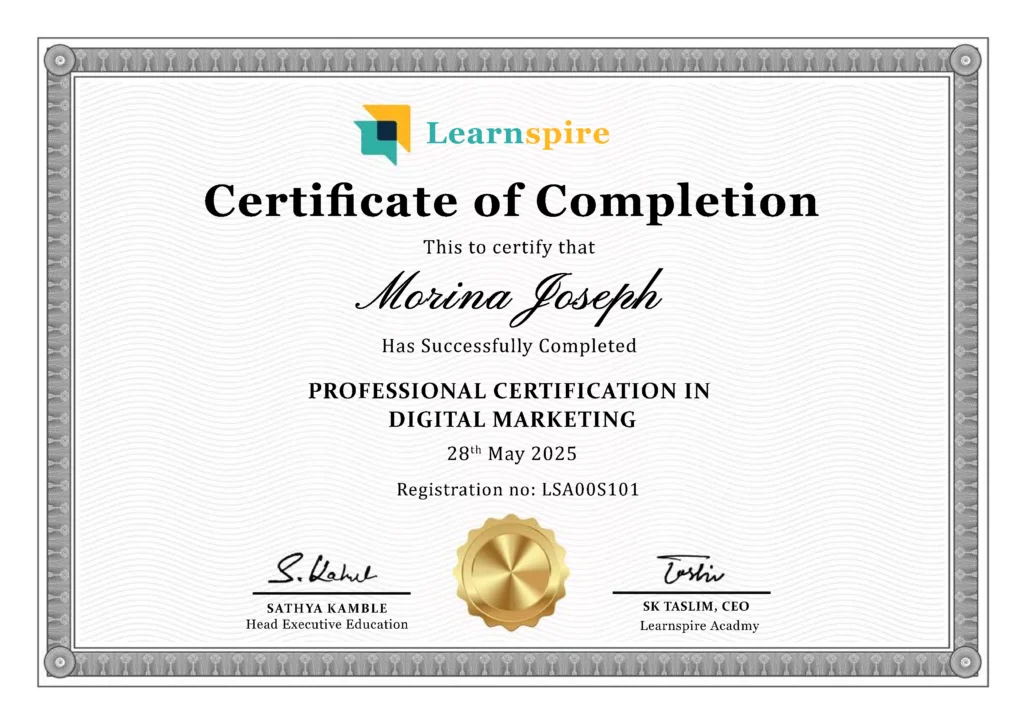
Will I receive a certificate after completing the course?
Yes, upon successful completion, you will receive a professional certificate that showcases your expertise in UI/UX Design and can be added to your resume or LinkedIn profile
What is UI/UX Design?
UI/UX Design refers to the process of creating user interfaces (UI) and enhancing user experiences (UX) for digital products. It combines visual design, user research, wireframing, prototyping, usability testing, and design thinking to create intuitive and user-centered solutions
Do I need prior design experience to join this course?
No prior design experience is required. This course starts from the basics and builds up to advanced UI/UX concepts, making it ideal for both beginners and professionals looking to enhance their skills
What tools and methodologies will I learn?
No, coding is not required.
You’ll master Figma, design thinking, user research techniques, wireframing, prototyping, usability testing, accessibility standards, visual design principles, and handoff tools like Zeplin and Figma Inspect
Will I get hands-on experience with real-world projects?
Yes, you’ll work on multiple real-world projects and a capstone case study. These practical experiences will help you build a strong portfolio that reflects your design skills and problem-solving abilities
Is this course suitable for job preparation?
Absolutely! This program is tailored to make you industry-ready with portfolio development, mock interviews, soft skills training, and guidance to help you succeed in UI/UX design job roles
Will I receive a certificate after completing the course?
Yes, upon successful completion, you will receive a professional certificate that showcases your expertise in UI/UX Design and can be added to your resume or LinkedIn profile
What Our Learners Have To Say About Us
This Digital Marketing training is one of the best I’ve experienced. The sessions are clear, practical, and perfectly blend theory with real-world application. The instructors are supportive and knowledgeable. While it felt challenging at first, consistent practice and guidance have made the concepts much easier to understand and apply confidently

The Software Development course has been a great learning experience. The lectures are clear and practical, with the right mix of theory and hands-on coding. At Learnspire, the faculty is incredibly supportive, guiding us at every step. It was tough initially, but with regular practice, everything started to make sense
The MERN Stack Developer course has been an amazing journey. The sessions are well-structured, combining theory with hands-on projects. At Learnspire, the instructors are supportive and explain every concept clearly. It felt challenging in the beginning, but with consistent practice and guidance, I’ve gained confidence and real development skills
This Digital Marketing training is one of the best I’ve experienced. The sessions are clear, practical, and perfectly blend theory with real-world application. The instructors are supportive and knowledgeable. While it felt challenging at first, consistent practice and guidance have made the concepts much easier to understand and apply confidently

The Software Development course has been a great learning experience. The lectures are clear and practical, with the right mix of theory and hands-on coding. At Learnspire, the faculty is incredibly supportive, guiding us at every step. It was tough initially, but with regular practice, everything started to make sense

The MERN Stack Developer course has been an amazing journey. The sessions are well-structured, combining theory with hands-on projects. At Learnspire, the instructors are supportive and explain every concept clearly. It felt challenging in the beginning, but with consistent practice and guidance, I’ve gained confidence and real development skills